

Dam Good Fish Gets Money at a Valuation of Rs 30 Cr
- Blog Finance Healthcare Industry New Launch Trending News
- Entrepreneurs Story
- April 7, 2026
- 63
- 14 minutes read
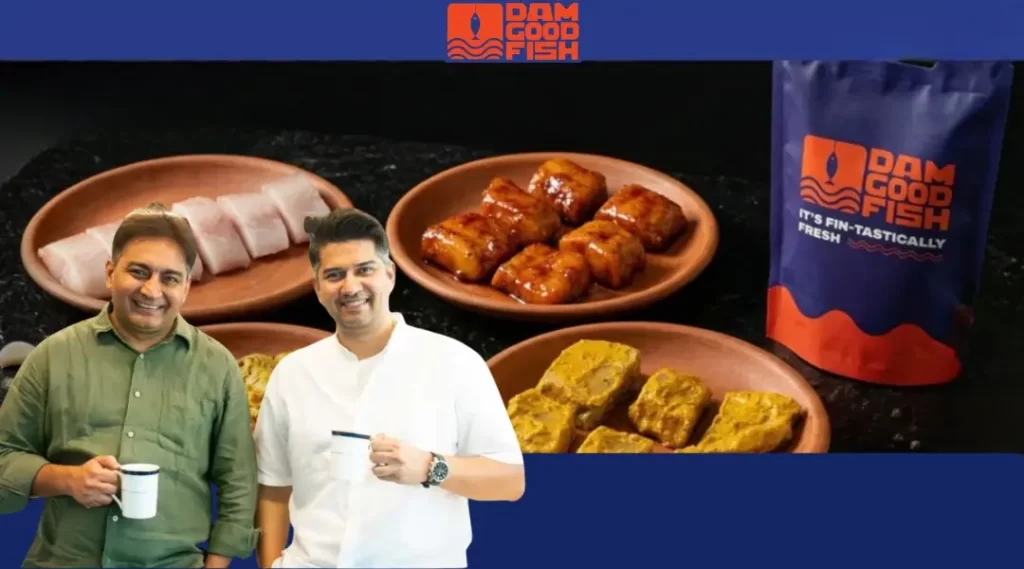
Dam Good Fish, a seafood infrastructure startup based in Gurugram, has successfully raised strategic funding at a post-money valuation of Rs 30 crore. This is a big step forward for India’s growing D2C food-tech ecosystem. The company is using technology and sustainable sourcing to fix long-standing problems in the traditional seafood supply chain.
A small group of strategic individual investors and operator-investors took part in the funding round. These stakeholders bring more than just money; they also have a lot of experience in building categories and running supply chains. This is especially helpful for a startup that is worth Rs 30 crore and is in a market for perishable goods that is very fragmented.
Changing the Seafood Value Chain
For a long time, the Indian seafood industry has had problems with unclear standards, inconsistent quality, and too much reliance on chemicals to make food last longer. Dam Good Fish (DGF) was started in 2023 by Shobhit Gaur and Shailesh Patel with the goal of delivering fish that has been raised naturally and without chemicals straight from reservoirs and dams to people’s homes.
Dam Good Fish is putting a lot of money into back-end infrastructure, even though many players focus on front-end marketing and UI/UX. The startup’s “Demand-to-Harvest” business model makes sure that supply is based on real consumption patterns instead of speculative harvesting. This level of accuracy cuts down on waste, which is a common problem in the industry, and makes sure that the product that gets to the customer is as fresh as possible.
Where Dam Good Fish Will Invest Its Funds
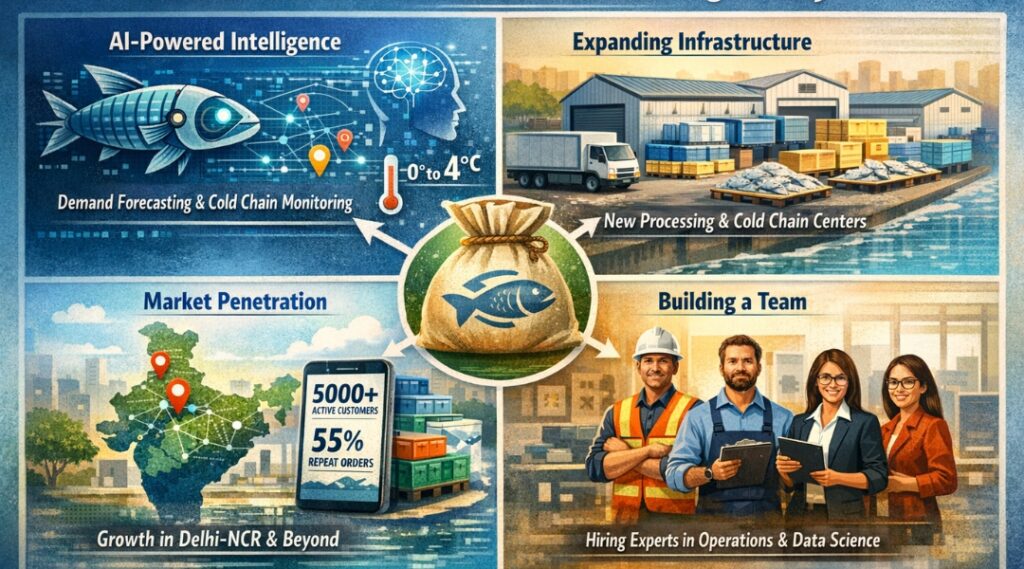
The money raised will be used in four main areas:
- AI-Powered Intelligence Layer: The company is adding AI to all of its main operations. This includes predicting demand by SKU at the pincode level, optimizing procurement, and keeping an eye on the cold chain in real time to keep temperatures between 0 and 4 degrees Celsius.
- Expanding Infrastructure: The startup will add more processing centers and cold-chain networks to handle more business. This is necessary to keep the brand’s promise of “wild-caught” quality at a large scale.
- Market Penetration: The brand is currently the most popular in the Delhi-NCR area, with more than 5,000 active households and a 55% repeat purchase rate (as of Q1 2025), supported by strong marketing strategies. Now, it wants to grow into important cities like Mumbai and Bengaluru.
- Building a Team: The company wants to hire 15 to 20 experts in leadership, data science, and supply chain operations over the next two quarters.
The "Demand-to-Harvest" Edge
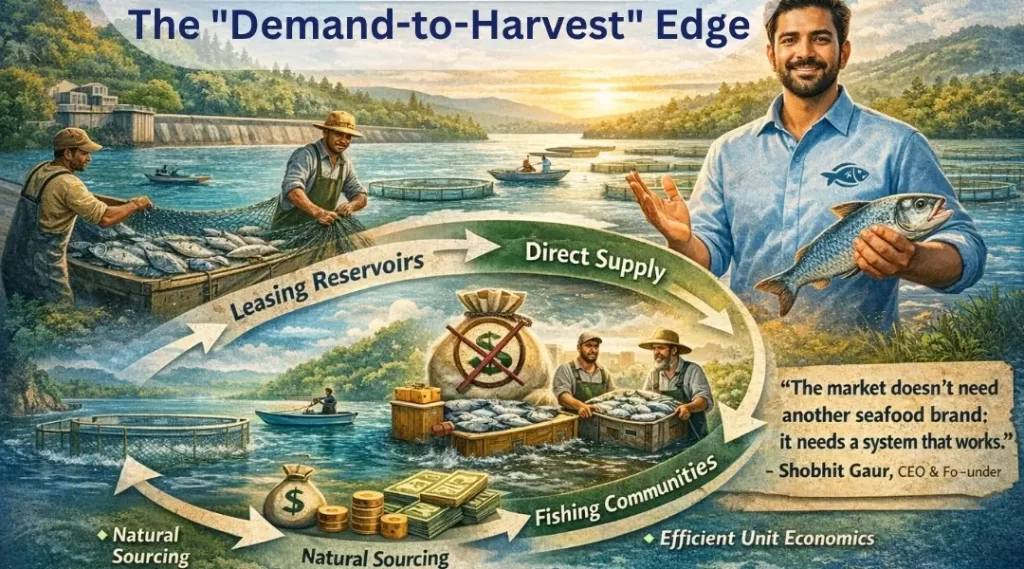
The Dam Good Fish philosophy says that freshness is a problem that affects the whole system, not just where the fish come from. The startup cuts out a lot of middlemen by leasing reservoirs and working directly with fishing communities. Shobhit Gaur, CEO and Co-Founder, says, “The market doesn’t need another seafood brand; it needs a system that works.”
This way of thinking is reflected in the company’s unit economics. DGF has stayed on track to make money in a field where businesses often lose a lot of money because it costs much less to get new customers than it does for traditional stores.
Long-Term Sustainability and Corporate Vision
Along with doing well financially, Dam Good Fish wants to be a leader in sustainability by leveraging advanced technology. Dam Good Fish wants to be a leader in sustainability. The company is looking for a healthier way to farm fish by focusing on freshwater reservoirs and dams, which are ecosystems that naturally grow back. Their “Fresh Catch of the Day” model makes sure that customers get fish that has been cleaned, cut to order, and delivered without any antibiotics or artificial feed.
The brand also sells high-quality seafood to hotels, restaurants, and cafes (HoReCa) through platforms like Hyperpure. This omnichannel strategy gives DGF more ways to make money and strengthens its position as a full-service seafood infrastructure provider.
Frequently Asked Questions (FAQs)
Q1: What is Dam Good Fish's current value after the most recent round of funding?
A: After its most recent strategic investment, Dam Good Fish is now worth about Rs 30 crore. This shows that investors have a lot of faith in the startup’s AI-powered supply chain and how quickly it is growing in the Delhi-NCR market.
Q2: What will the company do with the Dam Good Fish money?
A: The money will be used to improve the “Demand-to-Harvest” AI technology, build up the cold-chain infrastructure, and break into new markets like Mumbai and Bengaluru. The company also wants to make its operations and leadership teams stronger to help with this growth phase.
Q3: What makes Dam Good Fish different from other companies that deliver seafood?
A: Dam Good Fish is different because it gets its fish from dams and reservoirs instead of farms. This makes sure that the fish is naturally raised and free of chemicals. The company’s own AI also predicts demand at the pincode level, which cuts down on waste and keeps things as fresh as possible.
Q4: Is Dam Good Fish a business that can last?
A: Yes, Dam Good Fish’s business is based on sustainability. The brand protects aquatic ecosystems by not overfishing and working with reservoirs that are managed in a responsible way. Its tech-based approach also cuts down on food miles and losses after harvest by a lot.
Q5: Where can I get Dam Good Fish?
A: Right now, Dam Good Fish’s website serves more than 5,000 homes in the Delhi-NCR area. With the help of its most recent funding, the brand is quickly expanding its delivery network to other Tier-1 cities in India.
To Wrap Things Up
The most recent Dam Good Fish funding round shows that investors are becoming more confident in food supply chains that use technology and are good for the environment. The company sets a new standard for the industry by focusing on fixing how fish move instead of just selling fish better. DGF is in a good position to change India’s seafood market from a fragmented commodity trade into a clear, value-driven ecosystem with a post-money valuation of Rs 30 crore.