


New Labour Codes: How India’s Rules Formalize Remote Work and Mandate Fairer Pay
- Industry New Launch Trending News
- Entrepreneurs Story News
- November 25, 2025
- 424
- 6 minutes read

Introduction
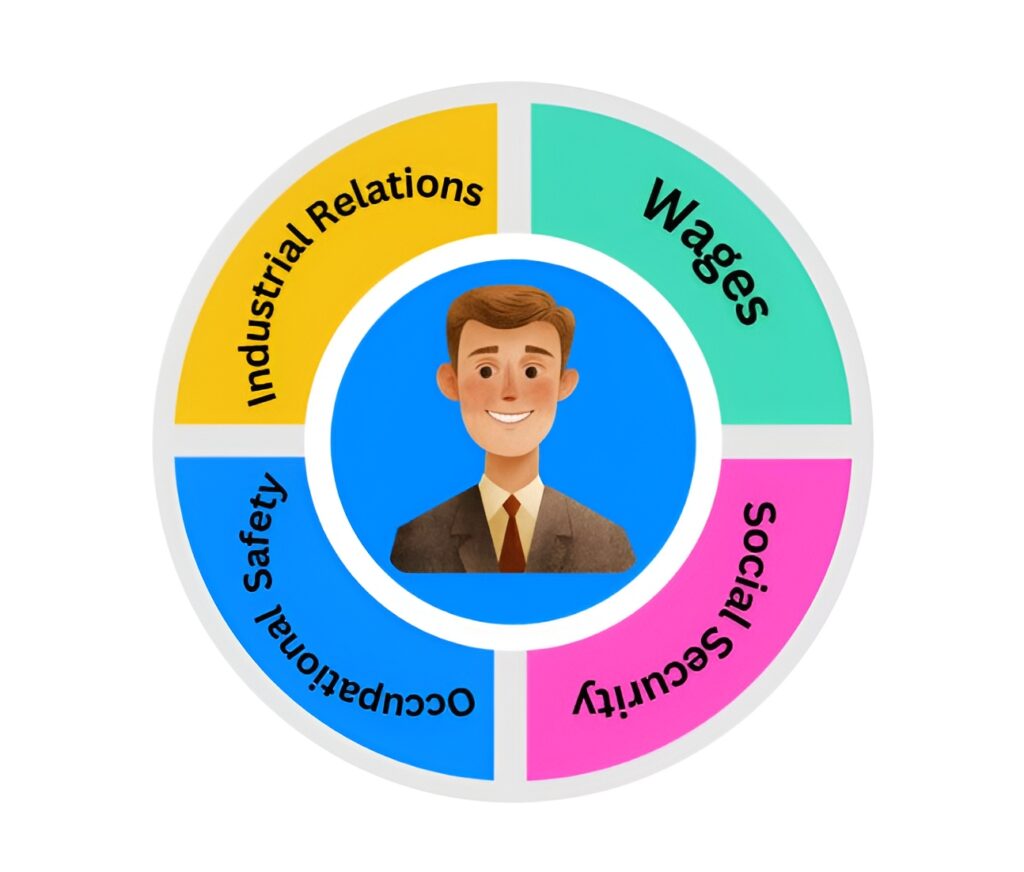
The four new labour codes of India, effective from 21st November 2025, formalise the remote work India provisions within service sectors and obligatory fairer pay via a standardised wage classification and worldwide minimum wages, which influence social security code.
Formalisation of remote work India
The new labour codes and WFH rules India, familiarised clear and concise necessities for the flexible and remote work India planning, which determined the altering nature of work.
- Shared consent: The labour codes 2025 sanction remote work within the service sector through shared consent between the employee and employer, by serving formal recognition as well as flexibility in these plans.
- Accident compensation: Accidents which happen at the time of an employee’s travel between their workplace and home are now lawfully determined to be employment-based by making them valid for compensation.
- Employee benefits: As per WFH rules India, the remote workers aged 40 and above are being permitted to receive free yearly health check-ups provided by the employer.
- Overtime pay: Similar to office employees, the remote workers are permitted to receive overtime pay at a rate of at least their usual wage rate for work above regular hours.

Mandates for fairer pay
The Labour Codes on Wages 2025, significantly reorganises wage policy to ensure higher transparency along with fairness throughout all sectors.

- Worldwide minimum wages: The right to a constitutional minimum wage is being expanded to all staff within both the unorganised and organised sectors, a significant development from the past system that covered approximately 3% of employees.
- National floor wage: The central government will establish a national floor wage based on the principles of minimal living. Moreover, no state government could develop its minimum wage below this nationwide standard.
- Uniform wage definition: A standardised definition of wages throughout all four codes mandates that dearness allowance and basic pay should comprise at least 50% of the total remuneration of an employee.
- Equal remuneration: The labour codes 2025 openly forbid gender discrimination within matters of employment conditions, wages and recruitment for the same work, by promoting equivalent pay for equal work.
- On-time payments: For monthly wages, employers are required to remunerate wages within a particular time period, basically by the 7th of the subsequent month and within two working days of the resignation or termination of an employee.
- Obligatory appointment letters: All employers are required to issue official appointment letters, by determining the social security code, designation and wages, formalising employment for several employees and maximising precision.
- Women workforce engagement: Women are allowed to work at night as well as within all forms of work throughout all establishments, irrespective of their consent, along with the needed safety measures. With this, women will also gain equal opportunities to earn higher incomes in high-paying job roles.
Summary
The codes lay the basis for a safe, resilient industry and future-ready workforce by driving labour reforms and boosting employment for Aatmanirbhar Bharat.
The code aligns with the labour ecosystem of India within the international norms by assuring social justice for all employees. By minimising compliance pressure and allowing modern and flexible work arrangements, the Codes enhance industry growth and skilling by reaffirming the commitment of the Government towards a pro-employment, pro-youth, pro-women and pro-worker labour ecosystem.