

SustainKart: Coverage on rise and fall of Kanthi Dutt’s venture
- Blog Funding Industry New Trending News
- Entrepreneurs Story
- May 12, 2026
- 481
- 15 minutes read
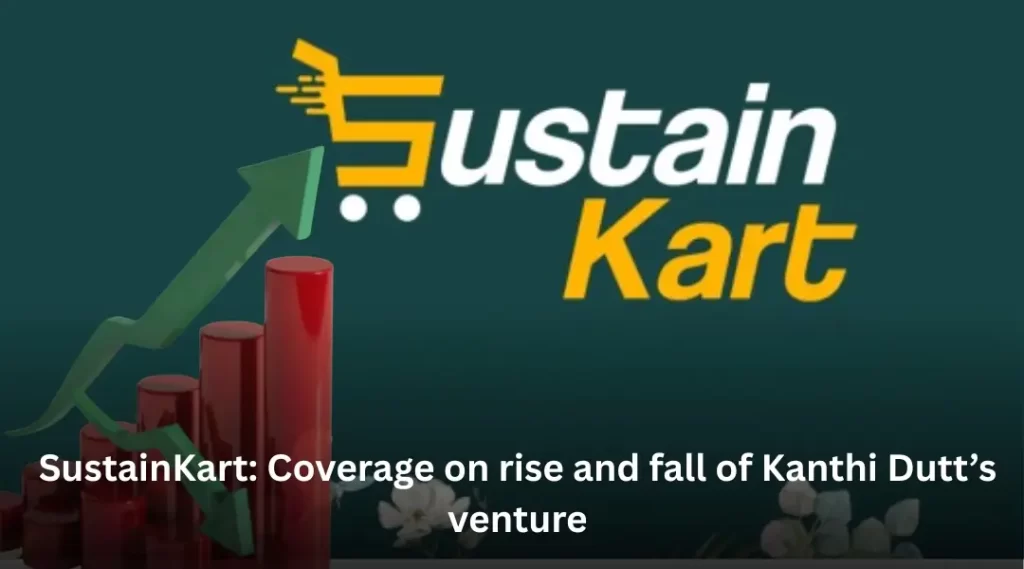
SustainKart was an Indian e-commerce marketplace launched in 2021 by Kanthi Dutt and Shilpa Reddy, designed as a one-stop-shop for eco-friendly, sustainable lifestyle products ranging from fashion to home essentials. It aimed to promote conscious living by curating cruelty-free, organic, and upcycled items One of the most polarizing yet educating stories in the volatile landscape of the Indian startup ecosystem is the journey of SustainKart. It started with the lofty aim of being India’s No 1 marketplace for sustainable living. But it didn’t take long for the platform to fall from celebrity-backed heights to a cautionary tale of corporate governance failure. Kanthi Dutt’s venture is a case study for founders, investors and industry analysts on the importance of fiduciary responsibility and operational transparency.
The Genesis: A Vision for Conscious Shopping
Founded in 2021 by serial entrepreneur Kanthi Dutt and leading fashion designer and co-founder Shilpa Reddy, who also served as the company’s CFO, to tap into the growing “conscious consumer” market. The value proposition of the venture was clear – to bring a curation of eco-friendly brands under one digital roof, and to make sustainable shopping accessible to the Indian masses.
The initial momentum was there. The brand has onboarded more than 1,100 brands and 93,000 SKUs across home decor, wellness, fashion and nutrition. There was euphoria in the market and both consumers and investors felt that the time of “green commerce” had finally arrived in India.
The Pinnacle: Celebrity Endorsements & Market Dominance
Kanthi Dutt has built a fast-growing business on the back of a sophisticated “House of Brands” approach. The platform utilized A-list celebrities to garner instant trust and visibility across the country. The major milestones in this peak period were:
Celebrity Sweat Equity Partnerships
Samantha Ruth Prabhu, a top actress, came on board as brand ambassador and sweat equity partner. Later Kanthi Dutt announced to the public that the celebrities were not investing liquid capital but equity stakes tied to their involvement in some verticals.
Celebrity Co-brands
SustainKart launched a series of private brands with celebrities such as Kajal Aggarwal Kitchlu (Kare & Karess) and Keerthy Suresh (Bhoomitra).
Retail Expansion
The company unveiled an ambitious plan to move from e-commerce to physical “phygital” retail stores with a focus on tactile experience for sustainable products.
Cash Collected
To strengthen the offerings and expand the market presence of SustainKart, India Accelerator (IA) invested $294,780 in SustainKart through a compulsory convertible debenture subscription agreement in 2023.
The Descent: Internal Fracture, Operational Stress
The death of SustainKart was not something that happened overnight but a slow downfall due to internal mismanagement and external market forces. But the world fell into a “funding winter” and the company’s high burn rate suddenly seemed a serious liability.
Industry experts say there are a few red flags to watch for during this time:
- Founder Dissatisfaction: Rumours of the co-founders falling out led to a fractured leadership style. August 2023 – Shilpa Reddy resigns as CFO over clash of values.
- Inventory & Vendor Issues: Several small sustainable brands mentioned delayed payments, and a lack of logistical support undermining the ecosystem SustainKart was created to protect.
- Private Labels: Private labels had better margins, but required tremendous capital to manufacture and market them, pulling away funds from the core marketplace technology.
Key Takeaways for Indian Start-up Ecosystem
Growth Over Integrity
Fast growth at the expense of ethical financial reporting is a recipe for disaster. Investors today want growth but clean books.
Celebrity: The Double-Edged Sword
Celebrity partnerships are a shortcut to brand awareness, but they can’t cover up fundamental flaws in unit economics or corporate governance.
Transparency with Stakeholders
In a downturn, it’s important to have candid conversations with board members and investors. The fastest way to collapse with no recovery is to misrepresent data.
Conclusion
The story of SustainKart is a telling reminder that in the business world, “sustainability” has to be applied not only to the product but also to the balance sheet. The idea of a greener India was strong, but it was not executed with the ethical rigour needed to run a large-scale corporate entity. As the legal proceedings around Kanthi Dutt’s venture continue to unfold, it remains a landmark case study on the importance of building trust not just with consumers but with the entire financial ecosystem that helps a startup surviv
Frequently Asked Questions (FAQs)
1. What happened to SustainKart?
SustainKart collapsed because of high cash burn, internal founder disagreements and no sustainable unit economics. The final collapse came amid legal troubles, with the leadership accused of misrepresenting finances and founder Kanthi Dutt arrested in December 2024.
2. SustainKart Launchers
The company was co-founded by Hyderabad-based entrepreneur Kanthi Dutt and well-known fashion designer and CFO Shilpa Reddy.
3. What was Kanthi Dutt charged with in court?
India Accelerator and its co-investors initiated legal action against SustainKart for fudging financials and inflating revenue numbers. Tritiyaa co-founder Srija Tippala also filed an FIR alleging forgery and illegal removal from the post of director. Kanthi Dutt was arrested on 1 December 2024 on fraud and forgery charges.
4. Is SustainKart a scam?
As of 2025-26, SustainKart has ended its core e-commerce activities, is embroiled in legal battles and is undergoing liquidation.
5. Which celebrities were associated with SustainKart?
The brand had Samantha Ruth Prabhu as its brand ambassador and sweat equity partner. Kajal Aggarwal Kitchlu and Keerthy Suresh were tied up with co-owned private labels. Interestingly, everyone had sweat equity stakes and no celebrity put in liquid capital.
6. Lessons for founders from the SustainKart case
Corporate governance is not up for negotiation. This case proves that a strong market position and celebrity backing are not enough to save a startup if there is no transparency, ethical financial management or honest communication with stakeholders.