

Peyush Bansal admits that Lenskart’s grooming policy isn’t working; says there are no limits on religious symbols
- Blog Industry New Startup Trending News
- Entrepreneurs Story
- April 16, 2026
- 622
- 13 minutes read
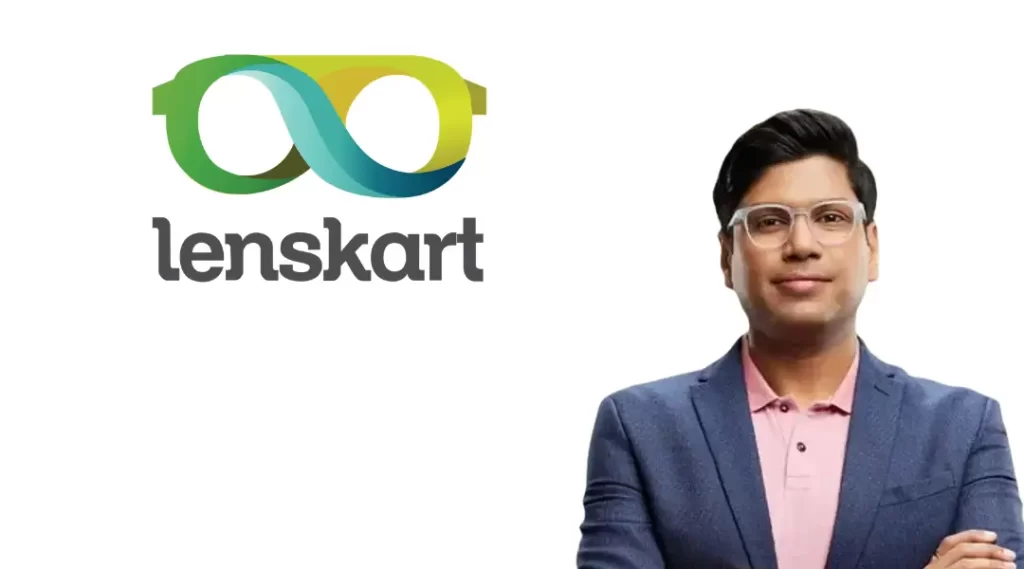
Corporate governance and workplace culture have gone from being on the edge of strategic discussions to being at the very center of them in the fast-changing world of Indian retail and global business. Recently, Lenskart was at the center of a big talk about internal rules. Peyush Bansal, the visionary co-founder and CEO of the eyewear unicorn, has come forward to address concerns about the company’s “grooming policy.” He said that a mistake in language led to a lot of confusion about how to express religious identity at work.
The Beginning of the Talk: A Language Mistake
The conversation started when internal documents about Lenskart’s grooming standards came to light, at a time when the company is also gaining attention around the much-anticipated Lenskart IPO. These documents seemed to suggest that there were limits on certain personal traits that could be seen as religious symbols. Grooming rules are common in the workplace, and they are often meant to keep the brand image and professional look consistent in front-facing roles. But when these rules clash with deeply held religious and personal beliefs, the subtleties of language become very important.
The CEO was honest and open in a recent Peyush Bansal statement. He said that the Lenskart workplace policy wasn’t “working” as planned because it was written poorly. Bansal admitted that the policy’s language was vague, which made it possible for people to read it in a way that didn’t match the company’s core values of diversity and inclusion, especially as the brand prepares for increased public scrutiny around the Lenskart IPO.
Making the Lenskart Workplace Policy Clearer
The “main soul” of this story isn’t about limiting freedom; it’s about fixing how businesses communicate and align their internal and external marketing messaging. Bansal made it very clear that there are no limits on religious symbols at Lenskart. The CEO made it clear that the brand respects each person’s right to follow their faith, whether that means wearing a turban, a hijab, a tilak, or a cross, reinforcing its inclusive brand and marketing values.
A Peyush Bansal statement on social media and internal forums made it clear that the company never meant to interfere with religious practices, reflecting the evolving mindset of a modern startup. Instead, the grooming rules were meant to focus on cleanliness and how to look professional, which are normal standards for any business that sells a lot of goods. By admitting the “lapse,” Bansal has shown that he is a leader who is responsible, which is a quality that has come to define his public image in the startup ecosystem.
The Point Where Brand Identity and Individual Expression Meet
It is very hard for a brand like Lenskart, which has hundreds of stores in different places, to keep a “look and feel” across all of them. But today’s workers want a culture that values the “human” side of the employee.
Corporate experts say that the issue of the Lenskart workplace policy is a good example for other Indian startups to follow. As businesses grow from having a few employees to thousands, the HR paperwork often doesn’t keep up with the cultural differences in the workforce. When Peyush Bansal talks about these things directly, it shows a change from strict corporate structures to a model that is more caring and focused on employees.
The Peyush Bansal Way of Leading in a Crisis
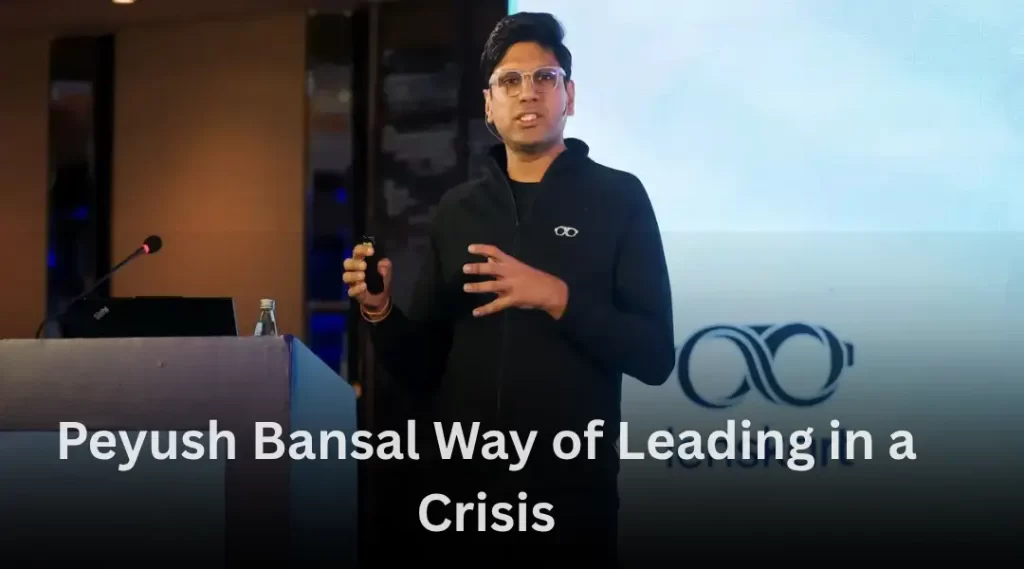
This news got a lot of attention because Peyush Bansal is a well-known person. Bansal is known for being a judge on Shark Tank India and is seen as a mentor to the next generation of entrepreneurs. In a business world that often prefers defensive PR strategies over blunt honesty, it is rare for someone to admit that a policy “isn’t working.”
He made the business seem more human by saying that “language lapses” happened. It suggests that even though systems can fail, the leaders’ goal is still to include everyone. This openness helps keep employees happy and keeps the brand’s reputation as an employer of choice.
The Future of Lenskart's Inclusivity
In the future, Lenskart will need to change how it communicates with its employees. The goal is to make sure that professional standards are kept up, but they are also communicated in a way that is respectful of other cultures and follows the law.
The people who work in retail are full of energy and diversity, which helps the business. By making religious symbols clear, Lenskart is making the world a more welcoming place. This change is not just about how things look on social media; it’s also about making sure that every employee feels like they belong when they walk into a Lenskart store.
Frequently Asked Questions (FAQs)
Q1: What did Peyush Bansal say about the Lenskart policy on grooming?
Peyush Bansal recently said that the language in the Lenskart workplace policy about grooming was poorly worded and caused misunderstandings. He made it clear that the company doesn’t limit religious symbols and values the different backgrounds of its workers.
Q2: Are there limits on religious symbols at Lenskart?
No. The most recent statement from Peyush Bansal says that there are no limits or restrictions on religious symbols. The CEO made it clear that the company respects all religions and that the grooming policy was never meant to target religious symbols like turbans or tilaks.
Q3: What was the first reason people didn't like the Lenskart workplace policy?
People were worried about the policy because the way it was worded at first seemed to limit personal religious markers. Lenskart’s leaders have since called this a “language lapse” and are working to fix the policy documents so that they better reflect their values of inclusion.
Q4: What is Peyush Bansal doing to change the policies?
Peyush Bansal is getting involved by publicly talking about the mistake and making sure that internal HR teams update the rules. He has said again that the brand’s success is based on its people and their right to express their religious and personal beliefs.
Q5: What does this mean for people who work at Lenskart?
This means that workers can still wear religious symbols without worrying about breaking company rules. The Lenskart workplace policy is being changed so that it only covers professional hygiene and appearance. This will make the workplace more comfortable and respectful for everyone.